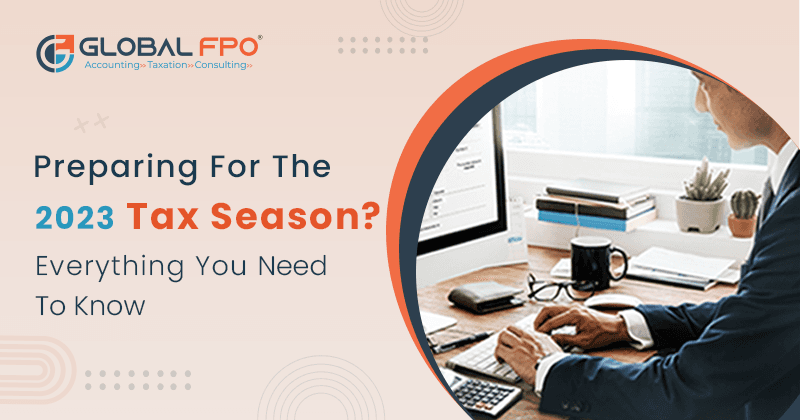
Preparing For The 2023 Tax Season? Everything Need to Know

Home icon-arrow Blog icon-arrow Preparing For The 2023 Tax Season? Everything Need to Know

Tax season doesn’t have to be stressful. The biggest mistake individuals and businesses make is waiting until the last minute to gather documents, organize finances, and prepare tax returns. By starting your tax preparing process early, you can reduce errors, maximize deductions, avoid penalties, and file with confidence.

Whether you’re an individual taxpayer, a small business owner, or a CPA firm managing multiple clients, preparing ahead of the 2027 tax season can save significant time, money, and unnecessary headaches.

In this comprehensive guide, we’ll cover everything you need to know to prepare for the upcoming tax season and ensure a smooth filing experience.

Why Early Tax Preparing Matters

Most people think tax preparation begins a few weeks before filing deadlines. In reality, effective tax planning starts months in advance.

Early tax preparing allows you to:

  • Organize financial records
  • Track deductible expenses
  • Identify available tax credits
  • Reduce tax liabilities legally
  • Prevent filing errors
  • Avoid last-minute stress
  • File returns faster
  • Receive refunds sooner

Businesses especially benefit from early preparation because it improves cash flow planning and ensures compliance with changing tax regulations.

What Is Tax Preparing?

Tax preparing is the process of collecting financial records, calculating taxable income, identifying deductions and credits, completing tax returns, and filing them accurately with the appropriate tax authorities.

It includes:

  • Income verification
  • Expense tracking
  • Bookkeeping review
  • Payroll reconciliation
  • Investment reporting
  • Business expense categorization
  • Tax planning
  • Filing returns

Good tax preparation isn’t just about compliance—it helps you make smarter financial decisions throughout the year.

When Should You Start Preparing for the 2027 Tax Season?

The ideal time is well before tax filing deadlines.

Many tax professionals recommend beginning your preparation as soon as the previous tax year ends.

A simple timeline looks like this:

January–March

  • Review last year’s return
  • Create a tax preparation checklist
  • Update bookkeeping records

April–June

  • Track quarterly taxes
  • Organize receipts
  • Monitor deductible expenses

July–September

  • Review business income
  • Estimate tax liability
  • Meet with your tax consultant

October–December

  • Finalize financial statements
  • Prepare tax documents
  • Review investment gains and losses
  • Complete year-end tax planning

By following this schedule, tax season becomes far less overwhelming.

Tax Preparation Checklist for 2027

Having a complete checklist makes filing much easier.

Personal Information

  • Social Security Number or Tax Identification Number
  • Identification documents
  • Bank account information
  • Previous year’s tax return

Income Documents

Gather all sources of income, including:

  • W-2 Forms
  • 1099 Forms
  • Freelance income
  • Rental income
  • Investment income
  • Interest income
  • Dividend statements

Business Records

Business owners should organize:

  • Profit and Loss Statement
  • Balance Sheet
  • Sales records
  • Business expenses
  • Payroll reports
  • Bank statements
  • Vendor invoices

Deduction Documents

Collect records for:

  • Mortgage interest
  • Medical expenses
  • Charitable donations
  • Education expenses
  • Retirement contributions
  • Home office expenses
  • Vehicle expenses
  • Business travel

Investment Documents

Include:

  • Brokerage statements
  • Capital gains reports
  • Cryptocurrency transactions
  • Dividend reports

Common Tax Deductions You Shouldn’t Miss

One of the biggest benefits of proper tax preparation is identifying every deduction you’re eligible for.

Popular deductions include:

Home Office Deduction

If you work from home and qualify under applicable tax rules, you may deduct eligible home office expenses.

Business Expenses

Small businesses can often deduct:

  • Office supplies
  • Software subscriptions
  • Equipment purchases
  • Internet expenses
  • Marketing costs
  • Professional services

Retirement Contributions

Certain retirement plan contributions may reduce taxable income while helping build long-term savings.

Education Expenses

Qualified education-related costs may be eligible for tax benefits depending on your situation.

Health Insurance

Self-employed individuals may qualify for health insurance deductions if they meet IRS requirements.

Tax Credits That Can Reduce Your Tax Bill

Unlike deductions, tax credits directly reduce the amount of tax you owe.

Some commonly claimed credits include:

  • Child Tax Credit
  • Earned Income Tax Credit
  • Education Credits
  • Energy-Efficient Home Credits
  • Electric Vehicle Credits
  • Child and Dependent Care Credit

Eligibility varies, so it’s important to review current tax rules or consult a qualified tax professional.

Tax Filing Mistakes to Avoid

Many returns are delayed because of avoidable mistakes.

Here are some of the most common:

Missing Deadlines

Late filing can result in penalties and interest charges.

Incorrect Personal Information

Simple errors in names, addresses, or tax identification numbers can delay processing.

Missing Income

Report income from all sources to avoid notices or audits.

Poor Recordkeeping

Disorganized financial records increase the risk of errors and missed deductions.

Mathematical Errors

Even small calculation mistakes can delay refunds or trigger corrections.

Forgetting to Sign Returns

Unsigned returns may be considered incomplete and delay processing.

Tax Preparation Tips for Small Businesses

Business owners face more complex tax obligations than individual taxpayers.

To stay organized:

  • Separate personal and business finances.
  • Keep bookkeeping updated throughout the year.
  • Track deductible expenses consistently.
  • Save receipts digitally.
  • Reconcile bank accounts monthly.
  • File quarterly taxes when required.
  • Maintain payroll records.
  • Work with an experienced tax professional.

Good bookkeeping makes tax season significantly easier and more accurate.

Why Bookkeeping Matters During Tax Season

Bookkeeping and tax preparation go hand in hand.

Accurate bookkeeping helps you:

  • Prepare tax returns faster
  • Reduce accounting errors
  • Identify deductible expenses
  • Improve financial reporting
  • Stay audit-ready
  • Make informed business decisions

Businesses with organized financial records spend far less time during tax season.

Benefits of Professional Tax Preparation Services

Many individuals and businesses choose professional tax preparation services to save time and reduce the risk of costly mistakes.

A qualified tax professional can help you:

  • Maximize deductions and credits
  • Stay compliant with tax regulations
  • Minimize tax liability
  • File accurate returns
  • Reduce audit risks
  • Handle complex tax situations
  • Meet filing deadlines
  • Save valuable time

Professional support is especially beneficial for business owners, self-employed professionals, and CPA firms managing multiple clients.

Tax Planning vs. Tax Preparation

Although often used interchangeably, tax planning and tax preparation serve different purposes.

Tax Planning Tax Preparation
Done throughout the year Primarily completed before filing
Focuses on reducing future tax liability Focuses on filing accurate tax returns
Helps with financial decisions Ensures compliance with tax laws
Proactive approach Reactive process

Using both strategies together often leads to better financial outcomes.

How Technology Makes Tax Preparing Easier

Modern accounting tools have transformed the way individuals and businesses manage taxes.

Technology helps with:

  • Digital document storage
  • Automated bookkeeping
  • Expense tracking
  • Cloud accounting
  • Secure document sharing
  • Electronic tax filing
  • Financial reporting
  • Workflow automation

These tools improve efficiency while reducing manual errors.

Prepare for Tax Season with Confidence

The 2027 tax season doesn’t have to be overwhelming. Starting your tax preparing process early gives you more control over your finances, helps you avoid last-minute surprises, and ensures you’re ready when filing deadlines arrive.

Whether you’re filing personal taxes or managing business finances, staying organized, maintaining accurate records, and seeking professional guidance can make the process smoother and more cost-effective.

Planning ahead today means fewer problems tomorrow.

Partner with Global FPO for Hassle-Free Tax Preparation

Tax regulations continue to evolve, making accurate preparation more important than ever. At Global FPO, we provide reliable, accurate, and scalable tax preparation outsourcing services for individuals, businesses, CPA firms, and accounting professionals worldwide.

Our experienced tax specialists help you:

  • Prepare accurate tax returns
  • Maximize eligible deductions and credits
  • Ensure regulatory compliance
  • Manage bookkeeping and tax preparation together
  • Reduce turnaround time
  • Support CPA firms with seasonal tax workloads
  • Deliver secure, confidential tax services

Whether you need business tax preparation, personal tax preparation, or outsourced tax services, Global FPO is your trusted accounting and tax partner.

Get ready for the 2027 tax season with confidence. Contact Global FPO today and let our tax experts simplify your tax preparation while you focus on growing your business.

Frequently Asked Questions

1. What is tax preparing?

Tax preparing is the process of organizing financial records, calculating taxable income, claiming eligible deductions and credits, and filing accurate tax returns with the appropriate tax authority.

2. When should I start preparing for the 2027 tax season?

It’s best to begin tax preparing throughout the year by maintaining accurate financial records, tracking expenses, and reviewing your tax situation before the filing season begins.

3. What documents do I need for tax preparation?

You’ll typically need income statements, bank records, expense receipts, investment documents, payroll records, previous tax returns, and any documents related to deductions or credits.

4. Why is early tax preparation important?

Early preparation reduces stress, helps identify tax-saving opportunities, minimizes errors, prevents missed deadlines, and allows more time to gather necessary documentation.

5. What is the difference between tax planning and tax preparation?

Tax planning is a year-round strategy to legally reduce future taxes, while tax preparation focuses on accurately preparing and filing tax returns during tax season.

6. Can bookkeeping help during tax season?

Yes. Accurate bookkeeping keeps financial records organized, simplifies tax preparation, improves reporting accuracy, and helps identify deductible expenses.

7. What are the biggest tax filing mistakes to avoid?

Common mistakes include missing deadlines, reporting incorrect income, entering inaccurate personal information, overlooking deductions, making calculation errors, and failing to review returns before submission.

8. Should small businesses hire professional tax preparation services?

Professional tax services can help small businesses stay compliant, maximize deductions, reduce errors, meet deadlines, and save valuable time during tax season.

9. How can outsourced tax preparation benefit CPA firms?

Outsourced tax preparation helps CPA firms manage seasonal workloads, improve turnaround times, reduce operational costs, access experienced tax professionals, and maintain high-quality client service.

10. Why choose Global FPO for tax preparation services?

Global FPO provides experienced tax professionals, secure workflows, accurate tax preparation, bookkeeping support, and scalable outsourcing solutions for businesses, CPA firms, and accounting firms worldwide.

Connect With Our Experts Today

Connect With Our Experts Today
skype-icon
Skype Call

Lets Connect

instagram-icon
facebook-icon
twitter-icon
linkedin-icon
youtube-icon